Prioritise institutional buyers.
I focused validation on customs and port authorities because they experienced the problem across cargo movements. The trade-off was a more complex stakeholder and procurement process.
ConTrack / Bosch Business Innovations / 2024
Bosch had the technology to track and secure a container. I led the work to identify the buyer, shape the commercial proposition and test it through paid field pilots.
Container tracking was technically possible. A clear paying customer and a compelling reason to adopt the service still needed to be established.
Lead customer validation, shape the business model, coordinate delivery partners and take the proposition into paid trials.
Prioritise customs and port authorities, position the service around operational visibility, and test the offer on live cargo.
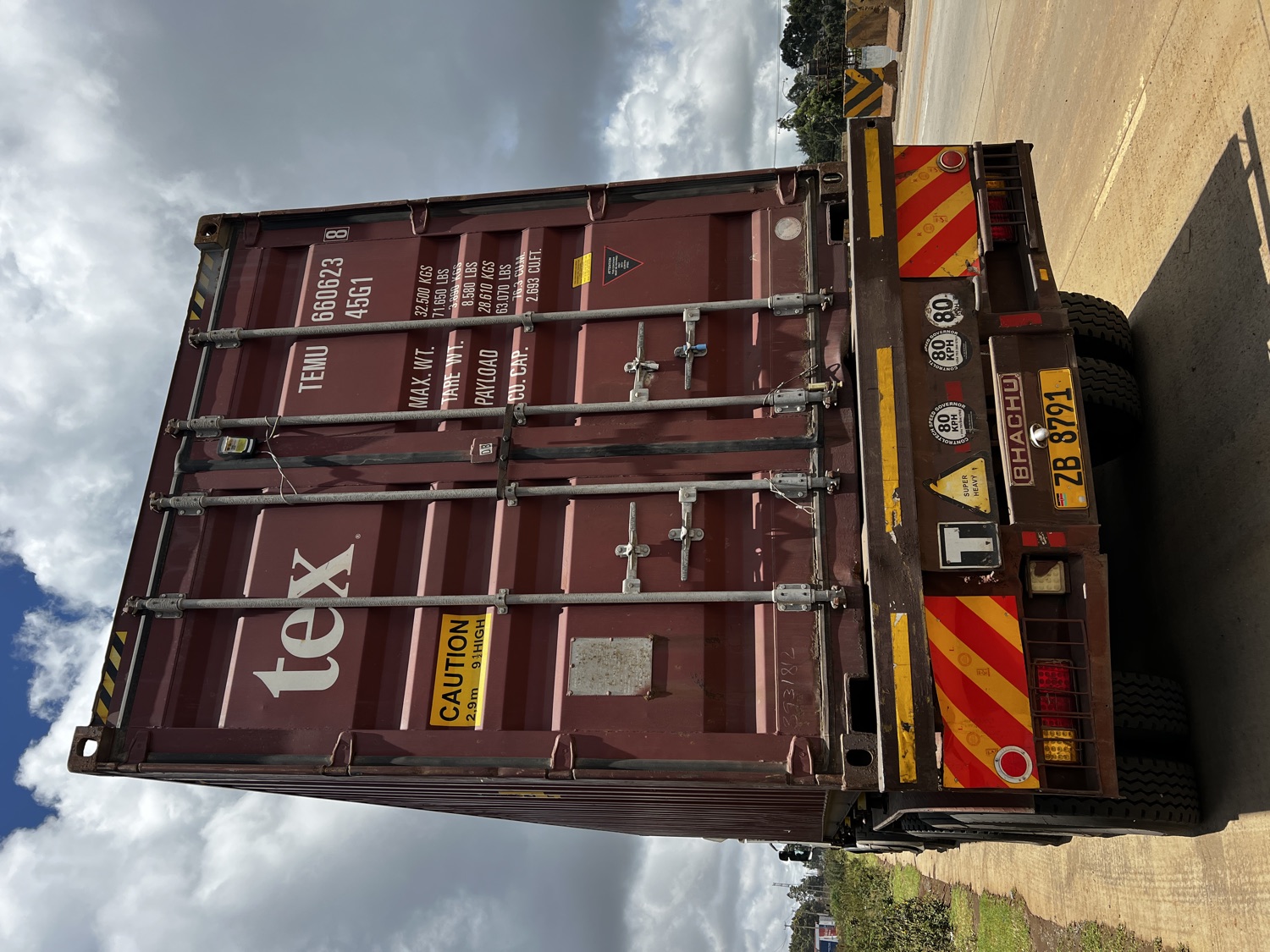
I mapped the shipping journey and more than 20 value-chain segments, including freight forwarders, insurers, customs and port authorities. The work examined who experienced the problem, who could act on it and who had a reason to pay.
Customs and port authorities emerged as the initial customer focus. Their interest centred on visibility across container movements, digital records and integration into existing workflows. That shifted the proposition towards the information service enabled by the lock.
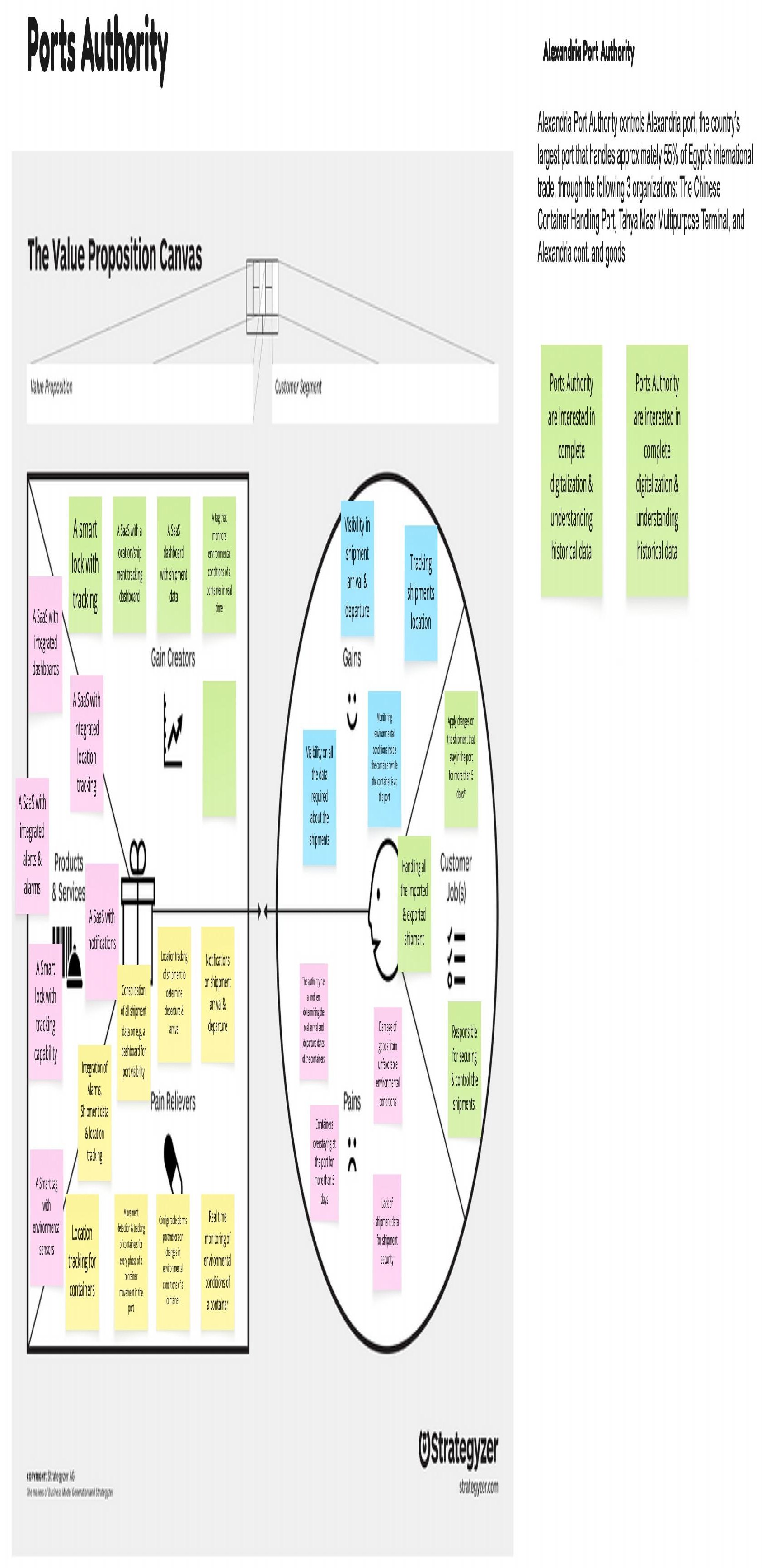
The port-authority value proposition canvas connected customer jobs, pains and desired gains to the proposed service. It was one of the working artefacts used to shape the offer.
Customer research informed the commercial direction. Each choice also introduced a constraint that had to be tested.
I focused validation on customs and port authorities because they experienced the problem across cargo movements. The trade-off was a more complex stakeholder and procurement process.
The proposition combined the CyLock hardware with the Cypod dashboard. Customer needs put operational records, alerts and integration requirements at the centre of the offer.
I developed a no-capex proposition to reduce the upfront purchase requirement. Recurring pricing made operating cost and margin assumptions important questions for the financial model.
I coordinated field validation with engineering, connectivity partners and port and customs stakeholders. Paid pilots required more delivery effort but offered stronger evidence than expressions of interest.
The two paid proofs of concept tested the proposition and technology in live cargo operations. The Alexandria trial used five locks over three weeks and resulted in a letter of intent from the Port Authority.
Connectivity was a delivery constraint. Work with a satellite-connectivity partner addressed the limitations of cellular coverage on remote corridors.
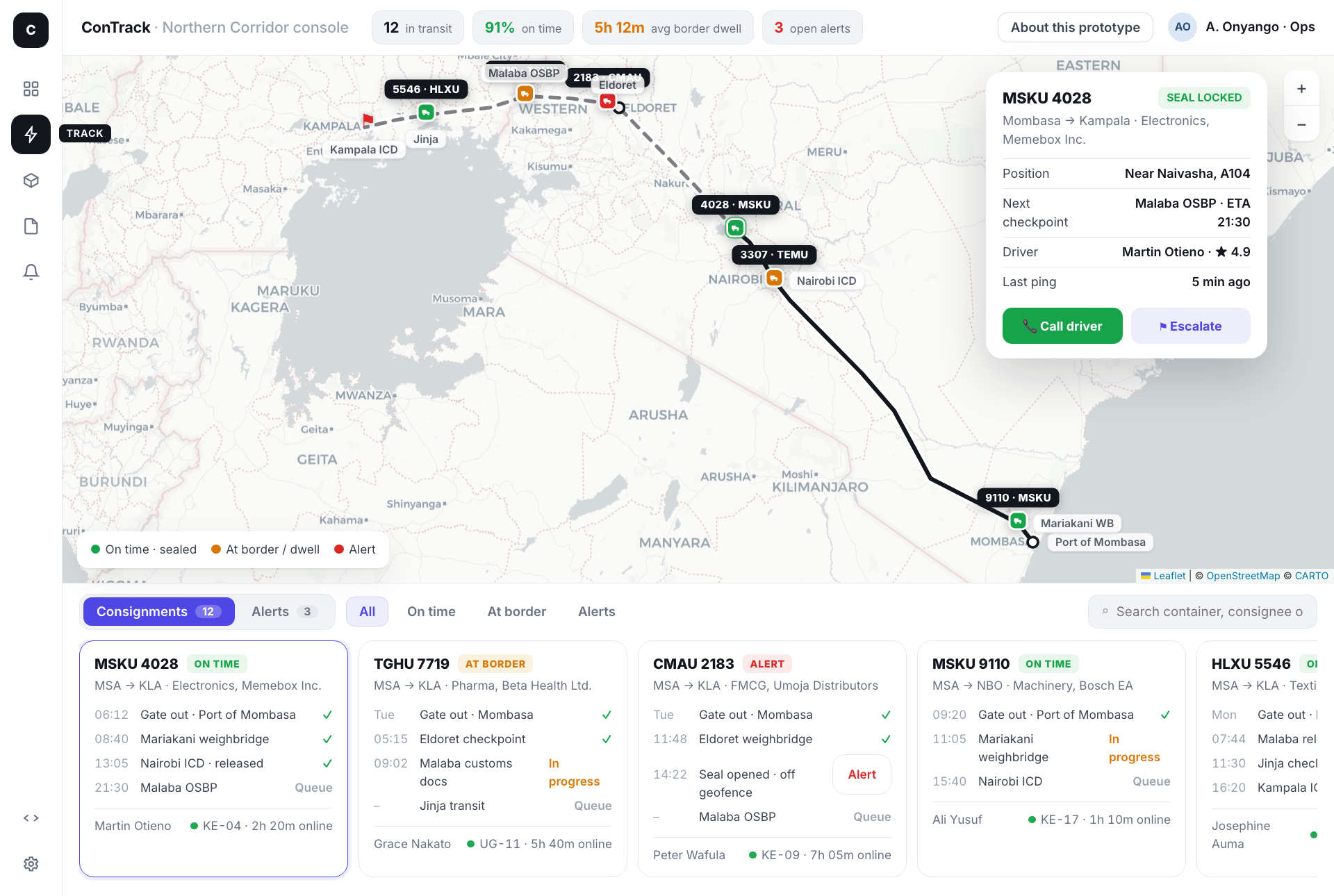
Two paid POCs and the Alexandria Port Authority letter of intent supported continued development. They provided evidence of customer commitment and field feasibility.
Market sizing, customer lifetime value, pricing and competitor analysis informed the business case. These were assumptions and model outputs, rather than realised revenue or proven scale economics.
Build and operating costs, churn and per-corridor margin still needed real operating data. The pilots and letter of intent did not establish a commercially scaled business.
I would measure the cost of running each corridor, procurement lead times and repeat use. Paid pilots established initial commitment; recurring revenue and operating margin would determine whether the service could scale.